Mastering Accounting Software Bookkeeping: Essential Tips for Small Business Success
Understanding Accounting Software bookkeeping is vital for small businesses seeking financial clarity. This versatile platform simplifies various aspects of financial management. From automating invoicing to tracking expenses, Accounting Software helps improve business productivity. Nevertheless, many small businesses overlook critical strategies that might fully unlock its effectiveness. Understanding these nuances can give a company a competitive edge. What are the critical steps to secure optimal performance from Accounting Software? These valuable tips will reveal the route for effective fiscal oversight.
Why Accounting Software Is Vital for Small Businesses
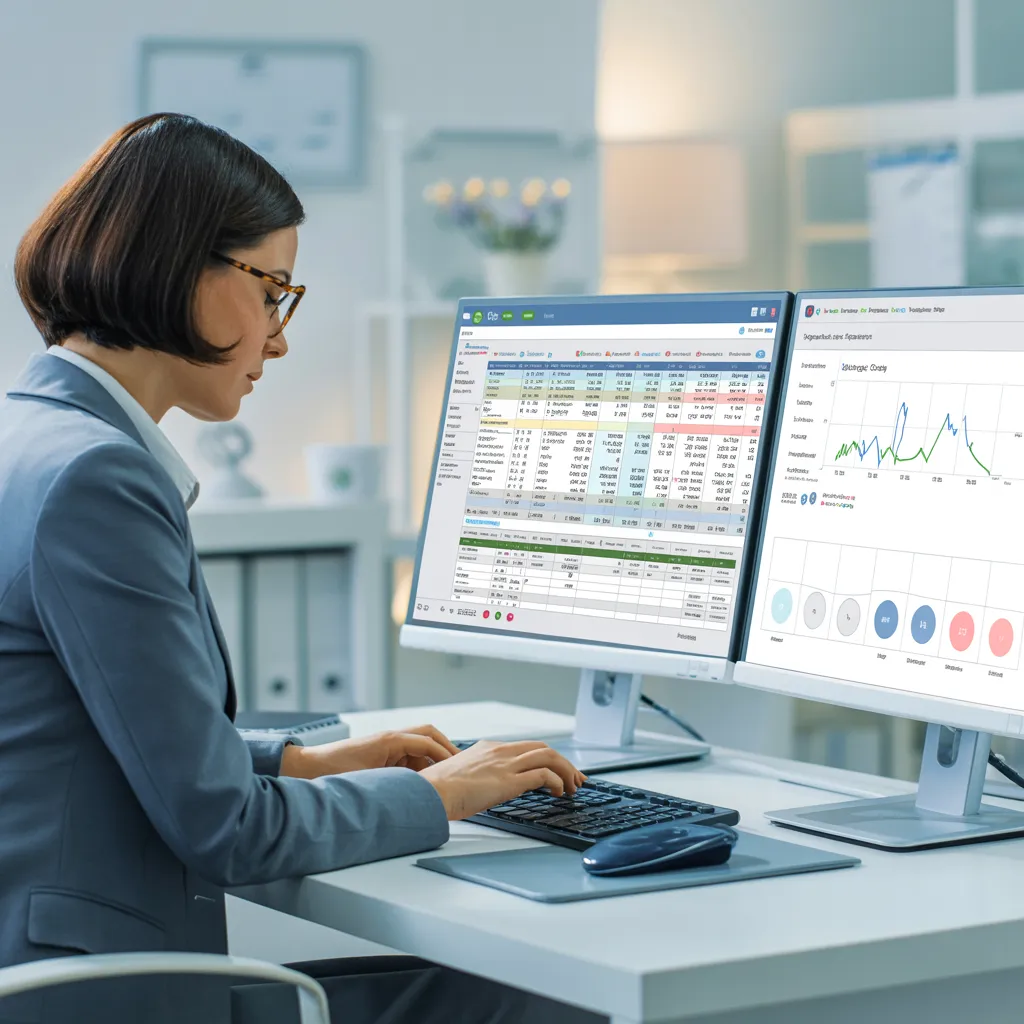
Accounting Software has emerged as an essential solution for small businesses, as it simplifies financial management and improves operational efficiency. By providing a user-friendly interface, it allows entrepreneurs to handle invoicing, tracking expenses, and managing payroll with ease. The software automates time-consuming tasks, reducing the likelihood of errors and freeing up valuable time for business owners to focus on growth strategies.
Moreover, Accounting Software offers powerful reporting features that provide understanding into monetary well-being, facilitating data-driven decision-making. Small enterprise leaders can conveniently evaluate liquidity, profit margins, and additional key indicators, assisting them in adapting to adapt to shifting business environments. Integration options with third-party platforms further enhance its utility, enabling seamless data management across applications. As a cloud-based solution, Accounting Software ensures that fiscal information is available around the clock, encouraging teamwork across departments. Ultimately, Accounting Software is essential for emerging businesses working toward productivity and comprehensive financial awareness.
Setting Up Your Accounting Software Account the Right Way
Configuring a Accounting Software account correctly is vital for maximizing its advantages. First, a business owner should identify the suitable version of Accounting Software that fits their operational needs, whether it be Desktop or Online. Once you have chosen the right version, the following step involves setting up a new account by entering fundamental details such as the business name, industry type, and address. This information helps Accounting Software adjust its features to the particular demands of the organization.
Once the account is set up, users should configure their chart of accounts, grouping income, expenses, assets, and liabilities in alignment with their financial structure. Subsequently, connecting bank accounts and credit cards facilitates seamless transaction tracking. To conclude, tailoring preferences, such as invoice templates and sales tax, ensures that the account aligns with the business's operational standards. By diligently following these steps, users can establish a solid foundation for efficient bookkeeping with Accounting Software.
Streamlining Invoicing With Accounting Software Tools
Invoicing is frequently a lengthy and demanding task for businesses, but Accounting Software provides solutions to streamline the process. By automating the creation of invoices and personalizing templates, users can improve productivity while preserving a polished look. This strategy not only conserves valuable time but also promotes reliability in billing practices.
Streamlining Invoice Creation
Streamlining the invoicing process can greatly improve a company's efficiency and cash flow. Automating invoice generation in Accounting Software allows businesses to cut down on errors and conserve time. By configuring recurring invoices for frequent clients, companies can guarantee timely billing without manual effort. Accounting Software also empowers users to generate and organize invoices, simplifying the payment collection process. The software can automatically calculate taxes and discounts, removing the necessity of tedious calculations. Furthermore, automated reminders can be dispatched to clients, improving the chances of prompt payments. This feature not only decreases administrative burdens but also promotes better cash flow management. Ultimately, automating invoice generation allows business owners to direct attention toward growth rather than mundane tasks.
Modifying Invoice Templates
Customizing invoicing templates in Accounting Software enables businesses to craft customized billing experiences that showcase their brand identity. By using Accounting Software' powerful design tools, users can modify elements such as colors, fonts, and logos to guarantee consistency with their overall branding. This customization not only improves the polished appearance of invoices but also fosters trust and recognition among clients. Additionally, businesses can tailor invoice fields to include specific information pertaining to their services, such as payment terms or item descriptions. Accounting Software also permits users to save multiple templates for various clients or services, simplifying the invoicing process. Ultimately, tailored invoice templates in Accounting Software considerably boost the efficiency and effectiveness of billing, supporting a more efficient financial workflow.
Monitoring Your Expenses With Accounting Software Efficiency
Streamlined expense monitoring in Accounting Software involves structuring expense classifications and utilizing receipt capture features. By classifying expenses with precision, users can achieve a deeper understanding of their financial position. Furthermore, utilizing receipt scanning streamlines the process, decreasing manual recording and boosting data accuracy.
Structuring Expense Categories
Additionally, the use of subcategories can enhance tracking precision, allowing businesses to monitor specific expenses in detail. Consistently revisiting and refreshing these categories ensures they stay applicable as the business grows. Through keeping well-structured expense categories, small businesses can enhance the precision of financial statements and reach well-informed decisions that promote lasting growth and stability. Proper categorization eventually results in improved financial well-being and transparency in business operations.
Utilizing Receipt Capture
Streamlining expense tracking becomes greatly easier with the utilization of receipt capture in Accounting Software. This tool empowers small business owners to easily record and arrange their receipts, minimizing the risk of lost documents. Business owners can easily photograph a receipt using the Accounting Software mobile app, which automatically extracts key data such as transaction date, merchant, and cost. The extracted data is then sorted and matched with existing entries, maintaining correctness and conserving precious time. Through the use of this receipt capture feature, businesses can establish stronger financial visibility and ease tax management. Moreover, this capability improves conformance with record-keeping obligations, offering reassurance throughout audit processes. Overall, incorporating receipt capture into daily operations markedly boosts efficiency in expense management.
Leveraging Financial Reports for Informed Decision-Making
Utilizing the strength of financial reports can considerably elevate decision-making within a business. These financial records, which include earnings reports, balance sheets, and cash flow statements, provide critical insights into a business's financial health. By consistently analyzing these documents, business owners can spot developments, evaluate earnings, and identify possible threats.
Financial reports also facilitate informed budgeting and forecasting, allowing for strategic resource allocation. To illustrate, a comprehensive review of revenue channels can highlight which products or services are not meeting expectations, prompting targeted marketing or operational adjustments. Additionally, recognizing cash flow trends helps avoid liquidity issues, making certain the organization can satisfy its financial responsibilities.
Ultimately, leveraging financial reports empowers small business owners to make data-driven decisions, promoting growth, operational efficiency, and long-term sustainability. Through embedding explore now these insights into their strategic planning, businesses can overcome obstacles and leverage opportunities with greater effectiveness.
Top 5 Accounting Software Mistakes Small Businesses Make
Grasping financial statements is a fundamental step for small businesses aiming to improve their decision-making. However, many companies face challenges when using Accounting Software. One prevalent mistake is failing to reconcile accounts on a routine basis, which can result in discrepancies in financial statements. Additionally, failing to categorize expenses accurately can misrepresent profit margins and misinform business owners about their financial standing.
Another common mistake is overlooking the importance of backups. When data backups are not performed regularly, businesses run the risk of losing critical financial information. Numerous small business owners also overlook the importance of utilizing reports; not leveraging these tools can obstruct effective planning. To conclude, inadequate training on Accounting Software features leads to suboptimal operational procedures, causing wasted time and possible mistakes. By recognizing and addressing these mistakes, small businesses can improve their use of Accounting Software, setting the stage for better financial oversight and growth.
Accounting Software Training Resources for Ongoing Assistance
In what ways can small businesses steadily develop their Accounting Software expertise? Accessing a variety of learning resources can be instrumental in enhancing bookkeeping proficiency. Accounting Software offers official training modules and certification programs designed to help users master the software. These courses cover essential features and advanced functionalities, catering to different skill levels.
In addition, entrepreneurs can take advantage of digital learning platforms, such as Udemy and LinkedIn Learning, which provide expert-led classes and video tutorials. Connecting through community forums, like Intuit Community, empowers users to discuss experiences and share solutions, fostering a collaborative learning environment.
In addition, local workshops and webinars regularly deliver interactive training, strengthening hands-on knowledge. Following Accounting Software blogs and signing up for newsletters helps businesses stay informed about new features and best practices. By utilizing these varied resources, small companies can secure sustained support and ongoing advancement in their Accounting Software record-keeping proficiency.
Popular Questions We Receive
Is It Possible to Use Accounting Software for Multiple Businesses?
Yes, Accounting Software is suitable for several businesses. You can set up individual company files for each individual business, allowing them to oversee financial matters, record transactions, and create reports on an individual basis, ensuring organized bookkeeping for all different business ventures.
How Often Should I Reconcile My Accounts in Accounting Software?
Monthly reconciliation of accounts in Accounting Software is essential to guarantee accuracy. Routine reconciliation makes it easier to catch discrepancies promptly, preserving financial integrity and delivering a precise overview of the company's financial health to support informed decision-making.
Which E-Commerce Integrations Does Accounting Software Provide?
Accounting Software provides numerous integrations for online retail, including platforms like BigCommerce, Shopify, and WooCommerce. These integrations streamline financial processes, permitting users to seamlessly sync sales data and handle inventory management through Accounting Software.
Can Non-Profit Organizations Benefit from Accounting Software?
Accounting Software is indeed suitable for non-profit organizations, offering features tailored for recording donations, administering grants, and creating financial reports. Its customizable tools help non-profits preserve transparency and secure compliance with legal and regulatory obligations successfully.
What Is the Best Way to Handle Payroll in Accounting Software?
To process payroll in Accounting Software, you need to create employee profiles, provide the necessary tax data, and execute payroll with the application's dedicated payroll functions. Consistently examine reports to ensure precision and adherence to regulations.